
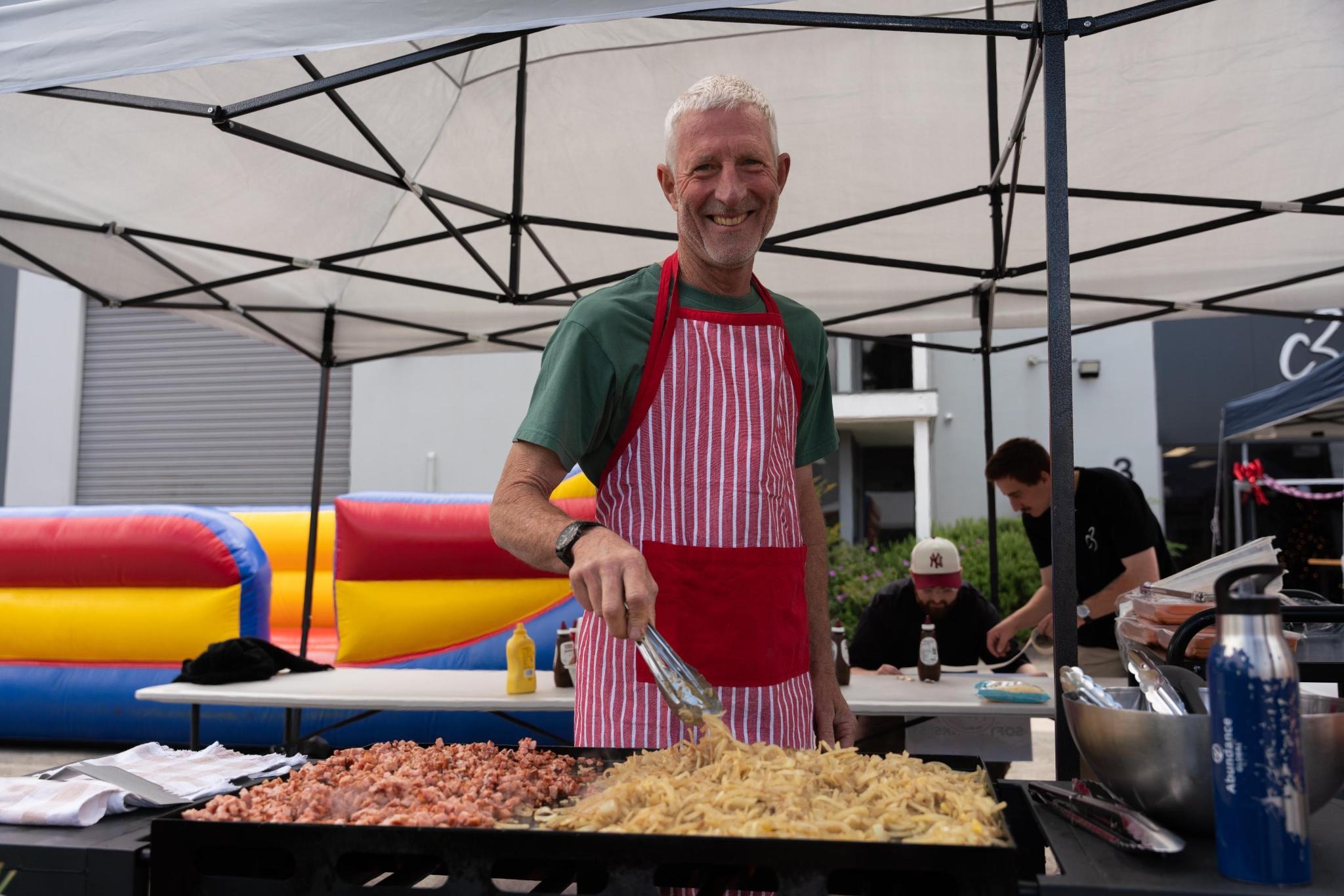
10 Ways to Serve Your Local Community Through Volunteering
Every week, over 1,200 volunteers across Melbourne East suburbs contribute their own time to causes they care about. From Box Hill to Ringwood, Mitcham to Blackburn, people are rolling up their sleeves and making a tangible difference in the lives of their neighbours. Yet for every person actively involved in community service, there are countless others who want to get involved but simply don’t know where to start.
If you’ve been thinking about volunteer work but felt overwhelmed by the community service opportunities or uncertain about what would fit your life, you’re not alone. Perhaps you’ve wondered whether you have the right skills, enough time, or anything valuable to offer. Maybe you’re exploring community service ideas or worry about overcommitting. These concerns are completely normal, and this guide is designed to help you navigate them.
Here in Melbourne East, from Box Hill to Ringwood, Mitcham to Blackburn, we’re blessed with an incredibly active community sector. Local councils, nonprofits, local schools, churches, and community organisations all need volunteers to keep serving our neighbours. At C3 Powerhouse Melbourne East, we’ve seen firsthand how community work transforms both those who serve and those who receive. That’s why we’ve put together this comprehensive guide. Whether you serve with us or elsewhere, what matters is that Melbourne East becomes the kind of local community where everyone looks out for each other.
In this guide, you’ll discover 10 practical volunteer opportunities to get involved in your local community. Each opportunity includes specific local organisations to contact, what the volunteer roles involve, who it might suit, and practical getting-started steps. No matter your schedule, skills, or experience level, there’s a perfect way to make a difference.
Why Volunteer in Your Local Community?
The Ripple Effect of Local Impact
There’s something uniquely powerful about volunteering close to home. When you volunteer in your local community, you see the difference you’re making. You might help pack food hampers on Tuesday and then spot those families picking up groceries at the community centre on Thursday. You plant trees in the local creek bed and watch them grow as you drive past each week. You mentor a young person and see them wave to you at the shops months later.
This visible impact creates a virtuous cycle. When neighbours help neighbours, trust builds. When trust builds, communities become stronger. When communities are stronger, they become more resilient in facing challenges together. Whether that’s supporting families through tough times, caring for elderly residents, or maintaining the green spaces we all enjoy.
Personal Benefits Beyond Giving

While volunteering is about serving others, it’s honest to acknowledge the profound personal benefits. Research consistently shows that volunteers experience improved mental health, reduced feelings of isolation, and a stronger sense of purpose. One in three Australians volunteer regularly, contributing an estimated $290 billion annually to communities, but they’ll tell you they receive just as much as they give.
Many people discover their closest friendships through volunteering together. There’s something about working side-by-side toward a common purpose that creates different bonds than typical social settings. Volunteer work also provides opportunities to develop new skills and build experience. But perhaps most importantly, it connects you to something bigger than yourself. Some of the most rewarding volunteering happens when it’s connected to a community you’re growing with, like a church, sporting club, or neighbourhood group.
Finding the Right Volunteer Role for You
Before diving into the opportunities, take a moment to consider what might work best for your life right now. A quick self-assessment can help you find opportunities that will be both impactful and sustainable.
How much time can you commit? Are you looking for a one-off project, a monthly commitment, or something weekly? Be honest about your schedule. Reliable occasional volunteering is far more valuable than overcommitting and burning out.
What are your skills and interests? Do you enjoy practical hands-on work, relational one-on-one interaction, creative projects, or physical outdoor activity? Your volunteering will be more sustainable if it aligns with your natural strengths.
Do you prefer individual or group opportunities? Some people thrive in team environments while others prefer the intimacy of one-on-one work.
Any physical or schedule limitations? Consider your mobility, health, childcare needs, and work commitments. Many organisations offer flexible roles designed around diverse needs.
Here’s the encouraging truth: most volunteer roles require no prior experience. Organisations provide training and support. And you don’t have to commit forever on day one. Many volunteers try different opportunities before finding what fits best. The important thing is simply to start somewhere.
10 Ways to Serve Your Local Community Through Volunteering
1. Supporting Local Food Relief Services
What it involves: Food relief centres need volunteers to sort donations, pack food hampers for families, and serve at community meals. Shifts typically run 2-4 hours, and organisations usually offer flexible scheduling. You can choose behind-the-scenes sorting work or direct service, helping families choose their groceries.
Why it matters: Food insecurity affects approximately one in six Melbourne East households during periods of cost-of-living pressure. Your few hours can ensure families have nutritious meals on the table. The impact is immediate and tangible. You’re directly meeting a basic human need for your neighbours.
Who it suits: This is an excellent option for first-time volunteers, families with older children, and anyone physically able to lift boxes and stand for a few hours. If you appreciate structured, task-based volunteering where you can see clear results, food relief is ideal.
How to get started: Whitehorse Community Chest in Box Hill coordinates food relief across the area. The Salvation Army Ringwood runs family services, including food support. St. Vincent de Paul has local conferences throughout Melbourne East. Contact these organisations directly to enquire about volunteer opportunities.
Pro tip: Many food banks welcome corporate groups for team volunteering days. A great way to serve together with colleagues while building team culture.
2. Mentoring Young People
What it involves: Youth mentoring programs match volunteers with young people for one-on-one or group mentoring relationships. This might be through school-based programs, after-school clubs, sports coaching, or structured mentoring organisations. Most commitments are 1-2 hours weekly during school terms.
Why it matters: Positive adult relationships transform outcomes for young people, particularly those facing disadvantage or family challenges. Melbourne East’s diverse communities especially benefit from cross-cultural mentoring. Your steady presence and encouragement can literally change the trajectory of a young person’s life.
Who it suits: Patient, consistent individuals who can maintain clear boundaries and follow through on commitments. If you have specific skills to share. whether sports, academics, trades, or creative arts. even better. Police checks are required, but organisations facilitate this process.
How to get started: Big Brothers Big Sisters Melbourne East offers structured matching programs with comprehensive training. The YMCA runs youth programs from Box Hill and Mitcham locations. Local secondary schools often need mentors. Contact schools directly. Scouts Victoria groups across Melbourne East always need adult leaders.
Pro tip: If one-on-one mentoring feels daunting initially, start with group programs. Many schools run lunchtime reading clubs or homework support groups.
3. Caring for Elderly Neighbours

What it involves: Friendly visits, companionship, assistance with shopping or appointments, light gardening, or tech help. Flexible weekly visits.
Why it matters: Loneliness is a health crisis for seniors. Regular social contact is life-giving. Melbourne East has 28% of residents over 60 in some suburbs.
Who it suits: Those with irregular schedules who can commit to a specific person. Patient listeners comfortable with slower pace.
How to get started: ConnectEast, Meals on Wheels Whitehorse, Eastern Volunteers, local retirement villages.
Pro tip: This often becomes the most rewarding experience. Volunteers form lasting friendships.
4. Environmental and Conservation Projects
What it involves: Tree planting, bushland restoration, creek clean-ups, citizen science projects. Usually weekend or monthly group activities.
Why it matters: Preserving Melbourne East’s bushland corridors and waterways. Practical climate action creating healthier outdoor spaces.
Who it suits: Outdoor enthusiasts, families, fitness-minded individuals. All fitness levels welcome.
How to get started: Friends of Blackburn Lake Sanctuary, Friends of Mullum Mullum Creek, Whitehorse and Maroondah council bushland programs.
Pro tip: Perfect introduction. No ongoing commitment required. Bring the whole family.
5. Animal Welfare and Rescue
What it involves: Foster care, shelter assistance, dog walking, cat socialisation, adoption events, fundraising, transport.
Why it matters: Melbourne shelters consistently at capacity. Foster carers literally save lives by creating space.
Who it suits: Animal lovers with suitable homes. Various roles from hands-on to administrative.
How to get started: Lort Smith Animal Hospital, Animal Aid Coldstream, RSPCA Victoria, breed-specific rescues.
Pro tip: If you can’t foster, dog walking requires just 1-2 hours weekly and is incredibly valuable.
6. Community Events and Festivals
What it involves: Setup, ticketing, information booths, hospitality. One-off events or seasonal festivals, typically 4-8 hours per event.
Why it matters: community events strengthen local identity. Volunteers make these events financially viable.
Who it suits: Outgoing, energetic people who enjoy variety. Students building experience, anyone wanting flexible volunteering.
How to get started: Whitehorse Community Festival, Carols in the Park, local sporting clubs, Parkrun.
Pro tip: Great way to meet a cross-section of community. Often includes volunteer appreciation perks.
7. Emergency Services Support
What it involves: emergency services/SES operational or administrative volunteering, community education. Requires training but flexible rostering.
Why it matters: Melbourne East faces bushfire and storm risks. Volunteer emergency services are the backbone of community resilience.
Who it suits: Team-oriented individuals seeking purpose-driven, skilled volunteering. Physical fitness for operational roles; admin roles available.
How to get started: emergency services Box Hill, Blackburn, Mitcham brigades. SES Whitehorse Unit. Red Cross Emergency Services.
Pro tip: Significant commitment but provides comprehensive training and tight-knit community.
8. Supporting Local Schools
What it involves: Reading programs, canteen, library assistance, excursion support, classroom help, grounds maintenance. Usually school hours, term-time.
Why it matters: Schools need community support to provide rich experiences. Direct investment in local children’s education.
Who it suits: Parents, grandparents, retirees with weekday availability. Working With Children Check required.
How to get started: Contact local schools directly, school breakfast programs at Box Hill High and Blackburn High, reading programs.
Pro tip: Start at your own children’s school if applicable. makes coordination easier.
9. Supporting Through Your Faith Community

What it involves: Faith communities offer diverse volunteering opportunities including children’s and youth programs, community outreach initiatives, hospitality teams, creative and technical teams, and life groups that incorporate service projects. There’s also behind-the-scenes support like setup, welcome teams, and administration. Scheduling ranges from weekly commitments to occasional assistance.
Why it matters: Churches function as community hubs running significant support programs that extend far beyond Sunday services. Faith communities have historically been, and continue to be, major volunteering hubs in Australia. Local churches collectively serve thousands of Melbourne East residents every week through various practical programs. Faith communities provide both purpose. serving something bigger than yourself. and belonging. doing it together with others who share your values. Research consistently shows that people who volunteer through faith communities report higher wellbeing and maintain their volunteering commitments longer than those volunteering independently.
Who it suits: Those seeking volunteering aligned with personal values or anyone exploring faith. If you want consistent community alongside practical service, this is ideal. Families wanting to serve together and model giving back to children will find many suitable opportunities. Anyone tired of individualistic culture and craving genuine connection often discovers what they’re looking for in faith-based volunteering.
How to get started: C3 Powerhouse Melbourne East offers various programs including C3 Kids (children’s programs), youth programs, community outreach initiatives, Life Groups with service focus, and creative/production teams. Visit the Dream Team page to learn more about getting involved. Other Melbourne East churches also run strong community programs and welcome volunteers.
Pro tip: Don’t let ‘not being religious enough’ stop you from exploring church volunteering. Most programs genuinely welcome anyone who wants to serve, and you might be surprised by the authentic community you discover.
New to C3 Melbourne East?
We’d love to chat about how you can get involved. whether that’s serving on a Sunday, joining a Life Group, or exploring our community programs. Everyone brings unique gifts, and we’ll help you find where you fit. Connect with us to learn more.
10. Skills-Based Professional Volunteering
What it involves: Offering professional expertise (accounting, legal, marketing, IT, trades) to community organisations. Board roles. Usually flexible, project-based.
Why it matters: Community organisations need professional services but can’t afford them. Your expertise multiplies their impact.
Who it suits: Professionals wanting to use skills for good. Those unable to commit regular hours but able to offer specialised help.
How to get started: Pro Bono Australia, Justice Connect (legal professionals), Social Traders, contact local NFPs directly.
Pro tip: Even 3-4 hours can transform a small organisation’s capacity.
Making the Most of Your Volunteering Experience
Start small and build up. It’s better to commit to one or two opportunities and do them consistently than to overextend yourself across multiple roles. Start with what feels manageable, establish a sustainable rhythm, and expand your involvement over time if you wish. Organisations value reliability far more than the total hours contributed.
Communicate openly. Stay in touch with your volunteering organisation. Let them know if you need to miss a shift, have concerns about your role, or want to explore different opportunities within the organisation. Good communication helps organisations plan effectively and ensures you have a positive experience.
Set healthy boundaries. It’s completely okay to step back if volunteering becomes burdensome rather than fulfilling. Life circumstances change, and organisations understand this. Reducing your commitment or taking a break doesn’t make you unreliable. it makes you someone who understands their own limits. Sustainable volunteering requires honesty about what you can maintain.
Track your impact and celebrate. Keep a mental note of the difference you’re making. Did you help pack 50 food hampers? Did the young person you mentor share an achievement? Notice these moments. they help maintain motivation. Connect with other volunteers, as the social aspect often enhances the entire experience. And don’t hesitate to celebrate your own contribution. You’re making a real difference.
Take Your First Step Today
Melbourne East has a remarkably rich volunteering landscape waiting for you. From food relief to environmental conservation, from mentoring young people to supporting seniors, from emergency services to faith communities. opportunities abound for anyone wanting to make a difference.
Taking the first step is often the hardest part. You might feel uncertain about whether you have enough time, the right skills, or anything valuable to offer. Here’s the truth: every contribution counts. You can start small. You can switch roles if something doesn’t fit. And no special skills are required. just a willingness to show up.
Imagine what Melbourne East could become if more neighbours engaged this way. Stronger connections between people. Fewer isolated seniors. Young people with supportive mentors. Families with food security. Thriving green spaces. Resilient emergency services. This vision becomes reality one volunteer at a time.
So take a moment to reflect: what local need resonates with you? What opportunity from this list made you think, ‘I could do that’? Choose one and reach out this week. Send an email. Make a phone call. Attend an information session. Just take that first step.
And if exploring volunteering through a faith community interests you, C3 Powerhouse Melbourne East would welcome the conversation. We’re here not just on Sundays but throughout the week, working to make our corner of Melbourne a better place for everyone. Whatever path you choose, we’re grateful you’re considering how you can serve. Melbourne East is a better place because of people like you.